

Step-by-Step Guide to Opening a Forex Trading Account
Opening a forex trading account can be an exciting step for aspiring traders. Whether you are a novice or a seasoned investor looking to diversify your portfolio, understanding the process is key. This article will provide a comprehensive step-by-step guide to facilitate your entry into the world of forex trading, along with insights into choosing the right broker, and we will also discuss forex trading account opening Thai Trading Platforms for those interested in exploring international options.
Understanding Forex Trading
Forex trading, or foreign exchange trading, involves buying and selling currencies to profit from fluctuations in their exchange rates. This market is one of the largest financial markets in the world, with a daily trading volume exceeding $6 trillion. Before you open an account, it’s essential to understand not only how trading works but also the terminology and concepts involved.
Step 1: Research and Choose a Forex Broker
The first step to opening a forex trading account is selecting a reliable broker. The right broker can make a significant difference in your trading experience. Here are some factors to consider:
- Regulation: Ensure the broker is properly regulated by a recognized financial authority.
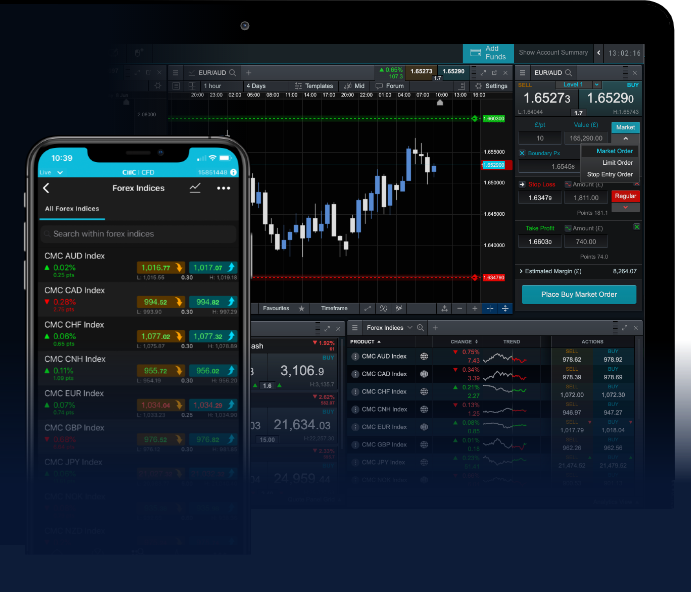
- Trading Platform: The platform should be user-friendly and equipped with the necessary tools and features.
- Spreads and Fees: Compare the spreads and commissions offered by different brokers.
- Customer Support: Good customer service is essential for resolving issues quickly.
- Account Types: Look for a broker that offers various account types to suit your trading style and capital.
Step 2: Complete the Application Form
Once you’ve selected a broker, you will need to complete an online application form. This form typically requires personal details such as your name, address, email, and phone number. Additionally, you may be asked about your trading experience and investment objectives. Providing accurate information is crucial, as it can affect the level of service you receive and the ease of verification.
Step 3: Verify Your Identity
Most brokers will require you to verify your identity in compliance with anti-money laundering (AML) regulations. This usually involves submitting identification documents such as a passport or driver’s license and, in some cases, proof of address, like a utility bill. The verification process can take anywhere from a few hours to a couple of days.
Step 4: Fund Your Account
After your account has been verified, the next step is to deposit funds. Most brokers offer a variety of deposit methods, including credit/debit cards, bank transfers, and e-wallets. Be sure to check for any deposit fees and the minimum deposit requirement, as these can vary significantly between brokers.
Step 5: Familiarize Yourself with the Trading Platform
Once your account is funded, take the time to familiarize yourself with the trading platform. Most brokers offer demo accounts that allow you to practice trading without risking real money. Utilize this feature to hone your skills and explore the platform’s various tools and features, such as chart analysis and order types.
Step 6: Develop a Trading Strategy
Before you start trading with real money, it’s essential to develop a well-thought-out trading strategy. This should include your approach to market analysis, risk management, and your trading plan. A solid strategy can significantly enhance your chances of success in the forex market.
Step 7: Begin Trading
Once you feel confident in your understanding of the platform and have developed a trading strategy, you can start trading. Begin with small amounts and focus on applying your strategy. Monitor your trades and be prepared to adapt your strategy as you gain more experience.
Common Pitfalls to Avoid
When starting to trade forex, it’s easy to fall into common traps that can lead to losses. Here are a few pitfalls to watch out for:
- Overleveraging: While leverage can amplify gains, it also magnifies losses. Ensure you understand how leverage works before using it.
- Lack of Research: Relying solely on tips or hearsay can lead to poor trading decisions. Always conduct your research.
- Emotional Trading: Allowing emotions to guide your trading decisions can lead to impulsive actions. Stick to your strategy and discipline.
Conclusion
Opening a forex trading account is a significant first step toward participating in the global financial markets. By following the steps outlined in this guide, you’ll be well on your way to becoming a confident trader. Remember to choose a reputable broker, practice with a demo account, and develop a solid trading strategy. As you gain experience, you can adjust your approach while keeping your investment goals in mind. Happy trading!