
What is Best CFD Trading
Contract for Difference (CFD) trading has emerged as one of the most popular forms of trading financial instruments. Understanding what is best CFD trading will not only help you make informed decisions but also maximize your profits. In this article, we explore the ins and outs of CFD trading, helping you identify the right strategies, platforms, and tools for success. Learn more about it at what is best cfd trading platform bestbrokercfd.com.
Understanding CFD Trading
CFD trading allows investors to speculate on price movements in various financial markets, including stocks, commodities, currencies, and indices, without actually owning the underlying assets. Instead, traders enter into a contract with a broker, agreeing to exchange the difference in the asset’s value from the time the contract is opened to when it is closed.
The Advantages of CFD Trading
- Leverage: CFDs allow traders to gain exposure to larger amounts of capital with a relatively small initial investment. This means that both profits and losses can be significantly magnified.
- Variety of Assets: CFD trading provides access to a wide range of financial markets and asset classes. From stocks to commodities, traders can diversify their portfolios with relative ease.
- Ability to Go Short: Unlike traditional investing, CFD trading allows traders to profit from falling markets by selling the asset first, then buying it back at a lower price.
- Flexible Trading Hours: CFD markets are often open 24 hours a day, allowing traders to respond to market-moving events in real-time.
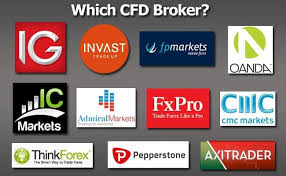
Choosing the Best CFD Broker
One of the crucial steps in CFD trading is choosing the best broker. An ideal broker should meet several key criteria:
1. Regulation
Ensure that the broker is regulated by a reputable financial authority. This provides an added layer of security for your funds and ensures that the broker adheres to fair trading practices.
2. Trading Platform
The broker should offer a user-friendly trading platform with advanced features and tools for analysis. Look for platforms that offer demo accounts, allowing you to practice trading without risking real money.
3. Fees and Spreads
Different brokers have different fee structures. It’s important to assess the spreads, commissions, and overnight financing fees to determine the overall costs involved in trading.
4. Customer Support
Reliable customer support can make a significant difference in your trading experience. Check if the broker offers multiple channels of communication, including chat, email, and phone support.
5. Educational Resources
Many brokers provide educational resources to help traders improve their skills. Look for brokers that offer webinars, tutorials, and market analysis to enhance your trading knowledge.
Best Practices for CFD Trading
While CFD trading can be profitable, it also carries risks. Here are some best practices to keep in mind:
1. Risk Management
Always implement proper risk management strategies. Use stop-loss orders to limit potential losses, and never invest more than you can afford to lose.
2. Develop a Trading Plan
A well-defined trading plan helps you maintain discipline. Your plan should outline your trading goals, preferred markets, risk tolerance, and techniques for entering and exiting trades.
3. Stay Informed
Keep up with market news and trends that could affect your trades. Economic reports, geopolitical events, and financial news can all impact market conditions.
4. Practice with a Demo Account
If you’re new to CFD trading, start with a demo account to hone your skills without risking real money. This will help you familiarize yourself with the trading platform and testing your strategies.
5. Analyze Your Trades
After each trade, review what worked and what didn’t. This will help you learn from your mistakes and improve your trading approach over time.
Conclusion
CFD trading offers numerous opportunities for traders to profit from financial markets without the need for significant capital investment. By understanding the basics of CFD trading, choosing the right broker, and implementing strong strategies, you can navigate the complexities of trading with confidence. Remember to keep learning, stay disciplined, and continuously monitor your performance while adapting to changing market conditions. With patience and perseverance, you can become successful in the exciting world of CFD trading.